
4.1 — Soil protection & policy
Where do you fit in soil governance?
Page 3 / 6
From responsibility to capacity
When discussing soil protection, it is easy to focus only on individual responsibility. However, governance is not only about asking individuals or institutions to do more; it is also about whether they have the capacity to act.
Capacity may include access to soil data, technical advice, funding, time, legal authority, public trust, and cooperation between sectors. For example, a municipality may want to reduce soil sealing, but face pressure for new housing and infrastructure. A farmer may want to increase soil organic matter, but need long-term support, suitable equipment, and fair economic conditions. A researcher may produce relevant evidence, but still need channels through which that evidence can reach planning or policy.
This is why soil governance connects responsibility with enabling conditions. It asks not only who should protect soil, but also what systems are needed to make soil protection becomes possible, realistic, and sustained.
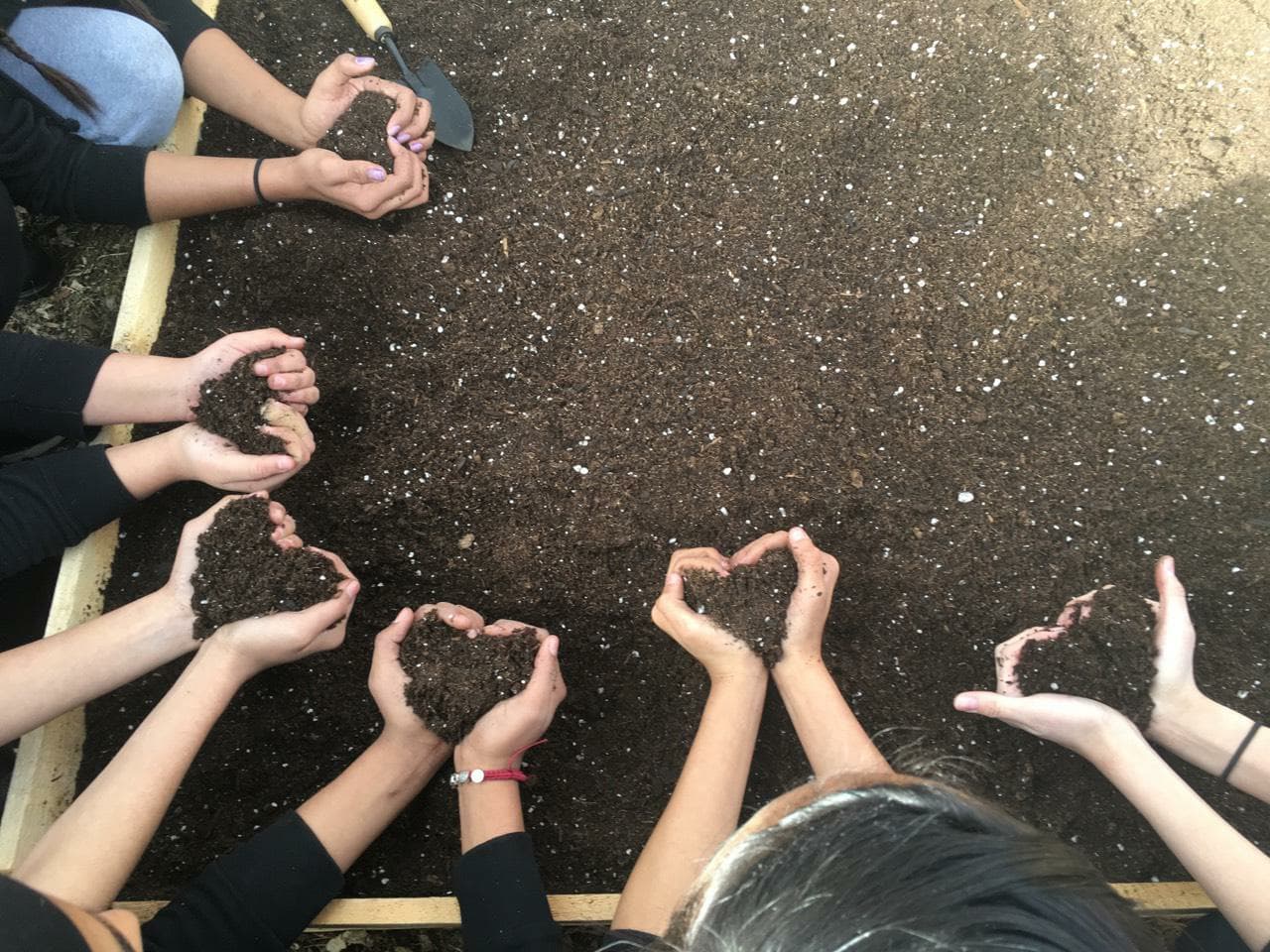
© Education initiative for soil care, by USFWS Mountain Prairie, CC0 1.0, via Wikimedia Commons, no changes were made to the original photo.