2.2 — Soil components & DIY soil testing
Soil may look simple, but what is it really made of?
Page 2 / 5
How big is a soil particle?
Mineral particles in soil vary in size and are classified as sand, silt, or clay. The proportions of these particle sizes determine the soil's texture, one of the most important physical properties of soil. By definition, sand particles have diameters between 2 and 0.063 mm, silt particles range from 0.063 to 0.002 mm, and clay particles are smaller than 0.002 mm (these exact ranges vary slightly between regions).
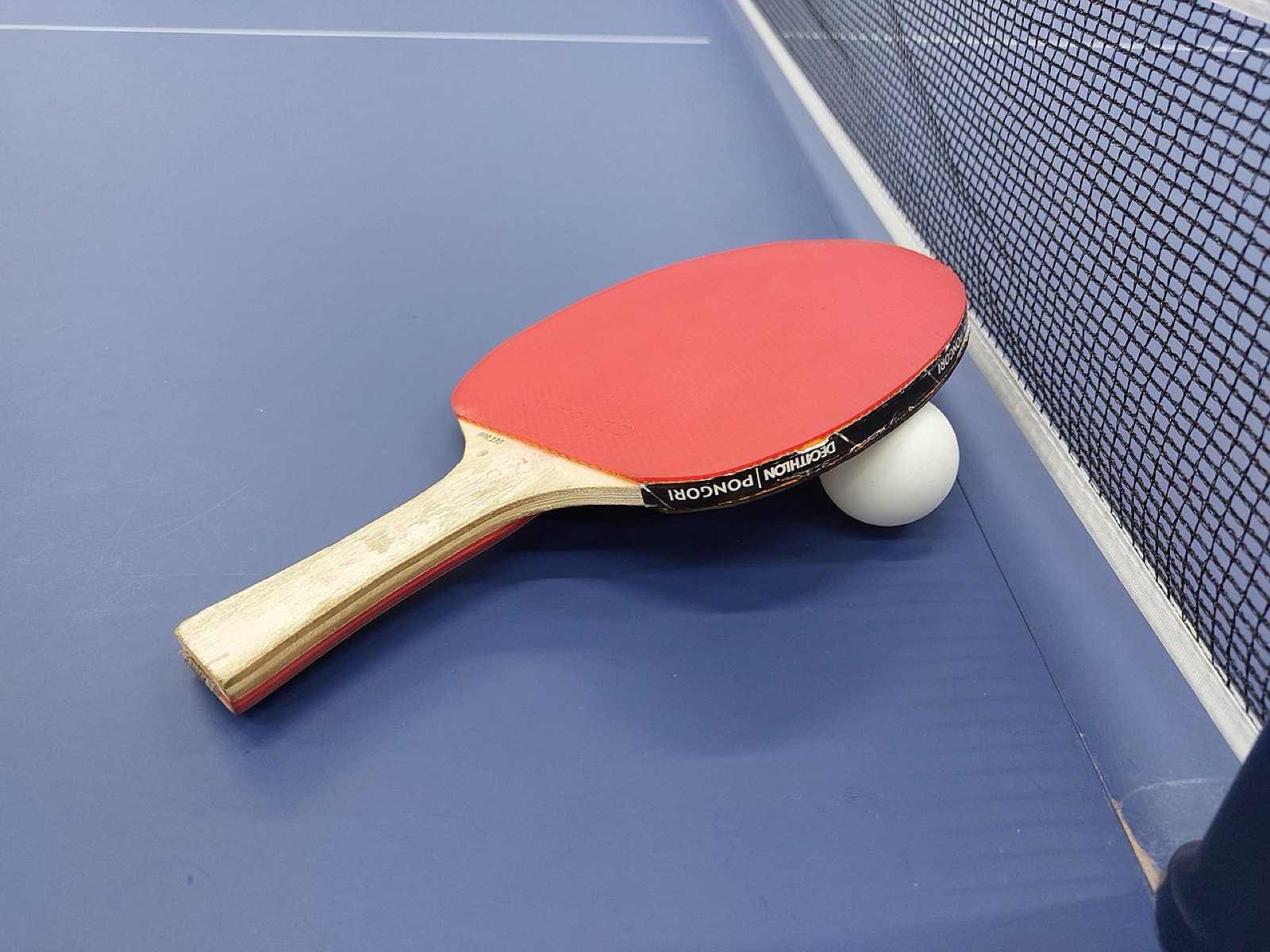
While these numbers are difficult to imagine, a metaphor may help: if a sand grain were the size of a basketball, a silt particle would be about the size of a table tennis ball, and a clay particle would be as small as a chocolate sprinkle.


Soil texture strongly influences soil behaviour. Sandy soils usually feel gritty and allow water to drain quickly. Clay-rich soils, on the other hand, feel smooth or sticky and retain water and nutrients more effectively. Neither is inherently "good" or "bad", but their implications for land management differ greatly.
Tip: Later in this topic, you will learn how to determine soil texture yourself.