
1.6 Soils in a connected world
Synthesis: The case of peat
Page 2 / 8
The provisioning services of peatlands
One of the major functions of peatlands is their provisioning services: the ability to provide resources and materials that support human livelihoods and economic activities. Peatlands supply a wide range of products, including peat for energy generation and horticulture, timber from peatland forests, food products such as berries, fish, and game, as well as freshwater and raw materials for agriculture and industry. In many regions, peatlands have long been used for farming, forestry, fuel production, and plant cultivation.
Peat itself was historically an important resource. In several countries, peat was extracted and used as a source of heat and power, and horticultural peat became widely valued as a growing medium because it is uniform, easy to process, and highly effective for plant cultivation. Peatlands also supported forestry operations and provided grazing land and agricultural soils when drained and converted for cultivation. In addition, many local communities depended on peatlands for natural resources such as fish, berries, mushrooms, and medicinal plants.
Beyond the direct products they provided, peatlands also supported employment and local economies. Industries related to peat extraction, agriculture, forestry, horticulture, and tourism depended on peatland resources and contributed significantly to regional livelihoods. At the same time, the increasing demand for these provisioning services often led to drainage, reclamation, and degradation of peatlands, creating conflicts between economic use and the conservation of peatland ecosystems and their ecological functions.
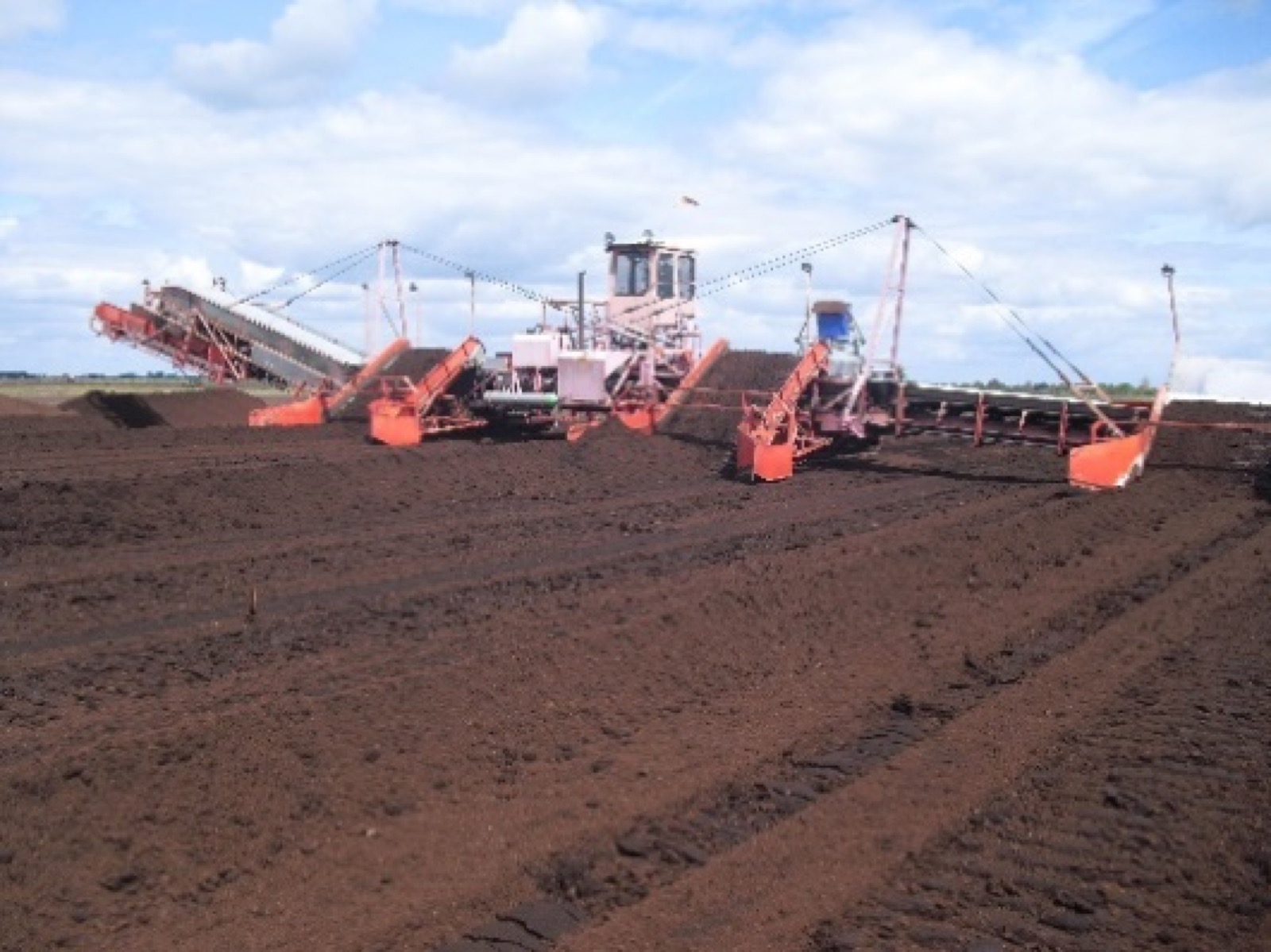
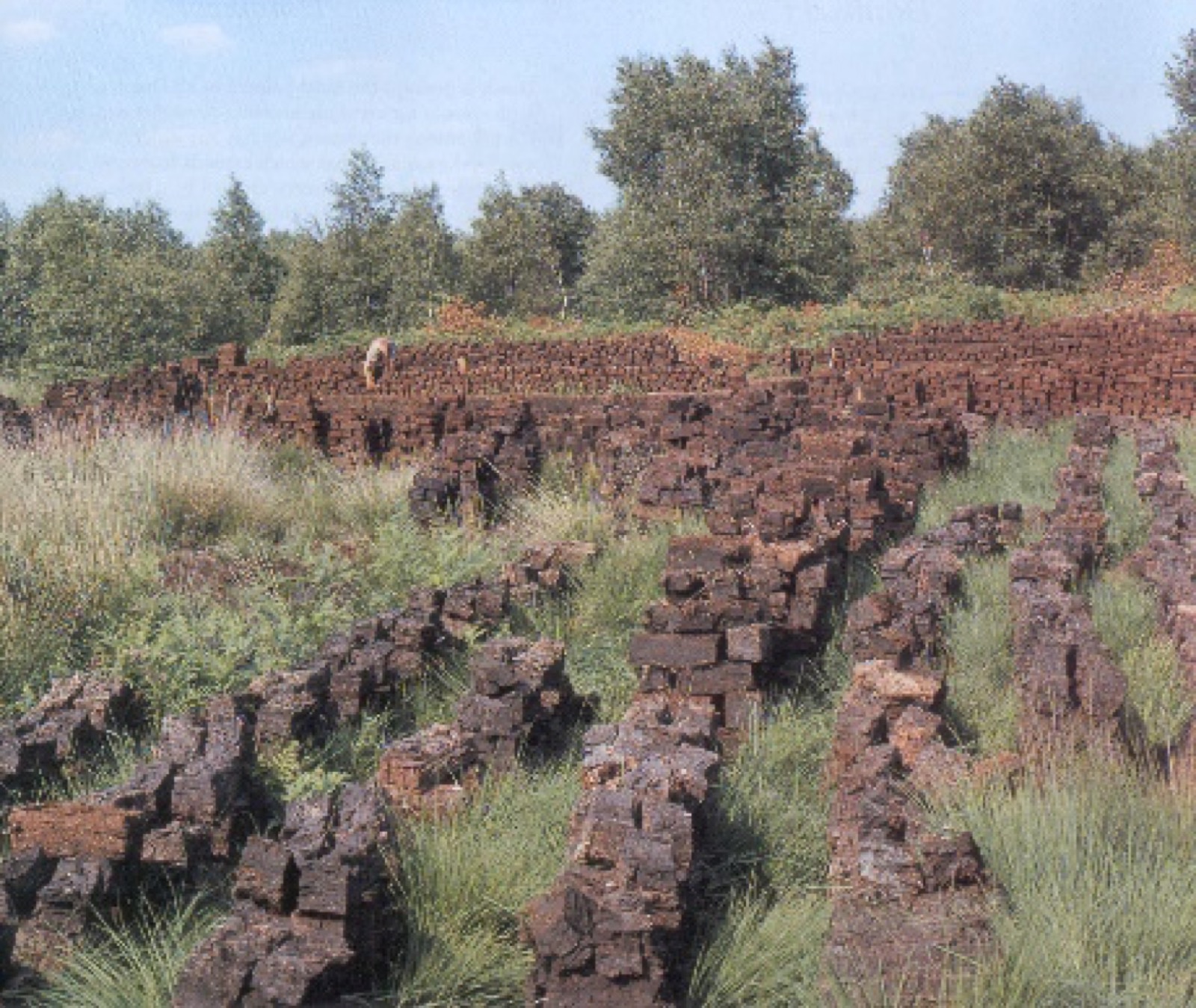
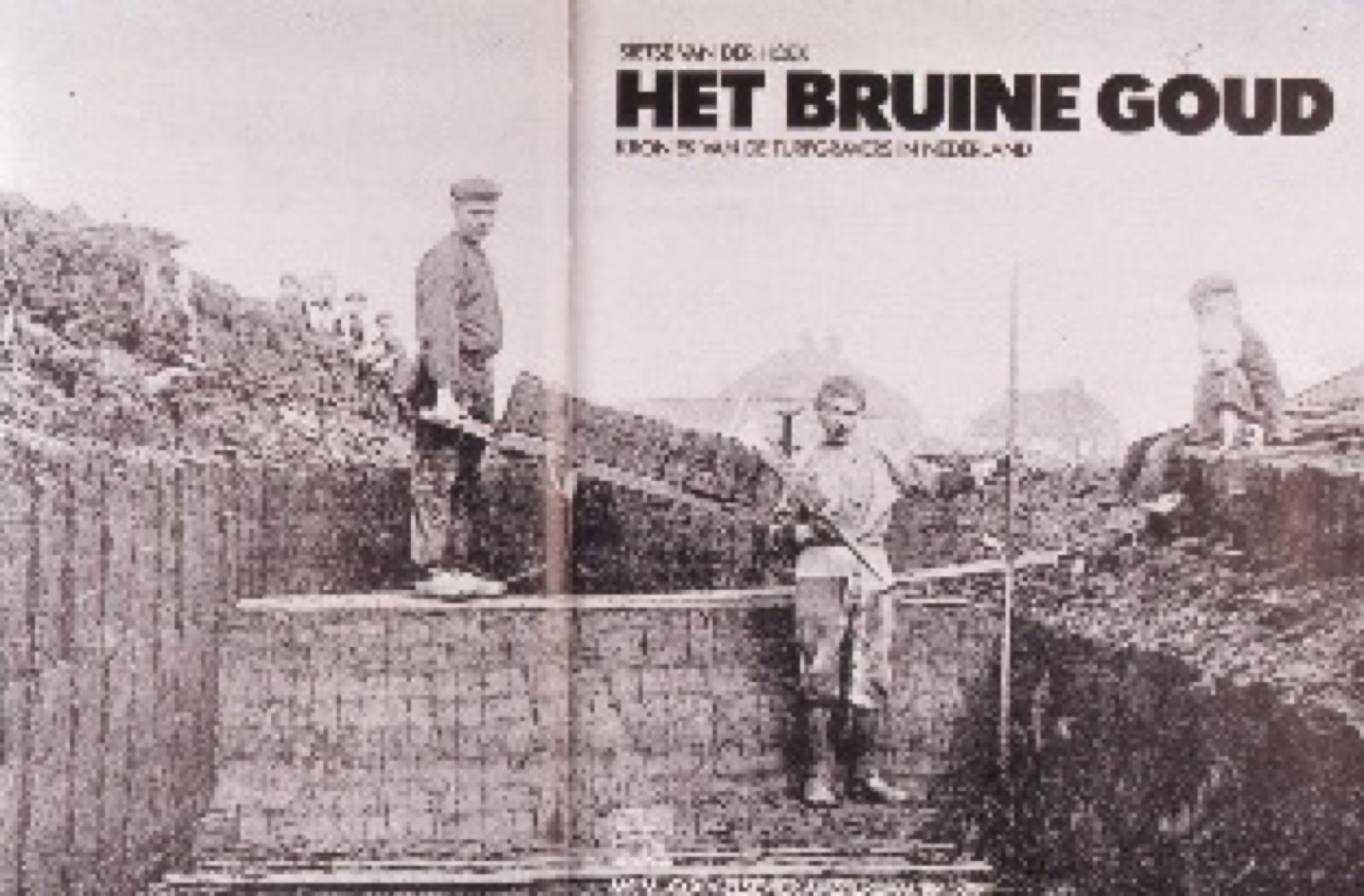
The photos below show aspects of the peat extraction process in the Netherlands. Until the beginning of the 20th century, peat cutters were still living in so-called sod cabins, sometimes with large families, in extreme poverty.
The European Union began to increasingly discourage peat extraction and peat use from the 1990s onward, mainly because of concerns about biodiversity loss, greenhouse gas emissions, and the degradation of peatland ecosystems. Especially after 2000 the use of peat was strongly discouraged because climate change mitigation became a central EU policy goal. From the 2010s onward, several EU countries introduced national strategies to phase out peat use in horticulture and energy production, including the UK, Germany, Ireland, and Finland.